Enfeksiyon Riski Taşıyan Deri Yaralanmalarında Kullanılmak Üzere Anti Mikrobiyel Etkinlikli Solanum Lycopersicum Kaynaklı Ekstraselüler Vesikül Yüklenmiş Kitosan Hidrojel Yara Örtüsü Geliştirilmesi
TÜBİTAK PROJESİDevam EdiyorULUSAL01.11.2023


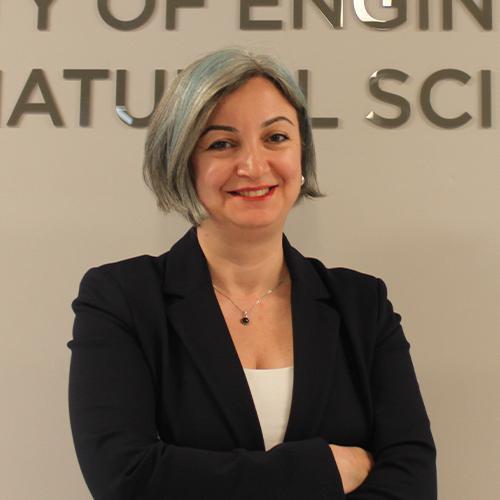
Doçent
İstinye Üniversitesi
Mühendislik ve Doğa Bilimleri Fakültesi
Biyomedikal Mühendisliği Programı (İngilizce)
0 aktif filtre
Kanser İmmünoterapisinde Katyonik Polimer Nanopartikül ile Kapsüllenmiş STING Agonistinin T Hücre Aracılı Anti-Tümör İmmün Yanıta Etkisinin Araştırılması
Biyomedikal Mühendisliği Bölümü bünyesinde “Biyomalzeme Araştırma ve Uygulama Laboratuvarı” kurulması
Recent advances on genome editing (GE) technologies have opened the possibility of treating diseases through precise modifications of patients’ genomes. Impressive results have been achieved on animal models of several genetic disorders, infectious diseases as well as cancer and several clinical trials are already on going. However, the inadequate integration of the results of academic research into the research development strategy of pharmaceutical companies, the insufficient interest of academic institution in regulatory science and the absence of established standards to well acceptable risk-benefit ratio by regulatory agencies, preclude its general application for treating human diseases. Therefore, the translation of the GE technologies to address public health needs, require a strong collaboration between basic and clinical research, regulatory bodies and the different stake holders involved for each application. There are several networks to improve or analyse GE technologies for different applications, however, no one cover all the actors involved in gene therapy translation. The principal aim of the GenE-HumDi Action is to bring together pharmaceutical companies, academic institution, science and regulatory agencies, biotechnology firms, patient advocacy association and information technology, in order to tackle knowledge fragmentation with the aim to accelerate the translation of GE technologies to the treatment of human diseases.
The emergence and spread of drug-resistant bacteria is an important health and socioeconomic threat with global dimensions, which is developing towards an emergency/pandemic crisis. No drugs are available to address the disease, and diagnostic tools are poorly effective. This negatively impacts the treatment and survival of critically ill patients. As such, drug-resistant bacteria may spread outside hospital settings, representing a critical risk for the global population. Current research in this field is highly fragmented and mostly monodisciplinary, thus limiting the development of innovative diagnostic and therapeutic solutions. This COST Action will bring together industrial and academic European scientists with different skills and expertise in a multidisciplinary and concerted initiative. The Action will combine disciplines such as chemistry, physics, bioinformatics, genetics, biology, immunology, and medicine in understanding the genetic and molecular bases of bacterial drug resistance, developing innovative diagnostic tools, and delivering lead/pre-clinical candidates, antibody-based therapies, and clinical-ready repurposed drugs towards the personalized treatment of drug-resistant bacterial infections. The further challenge of the Action is to enhance networking among European scientists and to increase the competitiveness of European research by promoting the exploitation of translational research outcomes, e.g., by the creation of novel SMEs. Finally, by knowledge creation and sharing, the Action will train a new generation of young scientists skilled in the multiple aspects related to bacterial drug resistance. Career development of Young Researchers and Innovators and research impulses in Inclusiveness Target Countries (ITC) will be considered as a priority in the Action.
Our society urgently needs new materials with improved performance and durability in order to overcome its environmental crisis. Room for significant progress is available at the nano-scale, where all properties originate. Research at this length scale has strongly intensified over the past two decades, but the knowledge remains very fragmented, so that a holistic understanding of how the nanoscale mechanical behavior gives rise to the macroscopic properties of the materials is still missing. The Action ambitions to combine the expertise and resources of European and associated researchers to overcome the different bottlenecks limiting the exploration of mechanical size effects. Synergetic gains will be achieved through a common agreement on the physical parameters to be investigated and by promoting interoperability of the research data. In addition, the experimental yield will be boosted by easing access to the latest techniques in nanomechanical testing, nanomechanical simulation and nanocharacterization to the whole community. Even more dramatic gains will be achieved by promoting the application of machine learning to nanomechanical research and favoring the development of interdisciplinary in situ techniques. The transformative policies implemented by MecaNano will durably strengthen nanomechanical research in the European Research Area (ERA). They will foster the emergence of talented future scientific leaders, increase the number of female scientists engaging in nanoscience, as well as increase the visibility of research institutions in Inclusiveness Target Countries and allow their researchers to establish durable cooperations with their peers within the ERA.
Tuberculosis (TB) was the leading cause of mortality from an infectious disease globally before Coronavirus Disease 19. The unprecedented pandemic is a major setback for TB programmes and its impact has been tremendous in terms of disruption of timely diagnostic and intervention services, drop in notification numbers, treatment interruptions, inadequate patient’s treatment follow-up and increase in mortality. In order to mitigate this impact more efforts and resources have to be allocated. Currently, no COST Action exists to address the complexity of TB management, offering an advantage to this proposal. The ADVANCE-TB is a research network that offers opportunities for collaboration between clinicians, academic researchers from interdisciplinary backgrounds, industry and non-governmental organizations to achieve breakthroughs difficult to obtain by individual partners, allowing a better understanding of the underlying host-pathogen mechanisms, enabling the transfer of basic science into innovative applications and allowing product development and clinical validation. The Action focuses on 1).developing best clinical practices and experimental standardization protocols, including harmonized biobanking procedures; 2).stimulating the development and optimization of products for diagnostic and therapy/monitoring; 3).disseminate knowledge and allow capacity-building through different types of workshops, training schools and short-term scientific missions, prioritizing early career investigators. The tasks are distributed in 4 working groups (WG). Briefly, WG1 will be focused on the characterization of patient’s cohorts, WG2 will be devoted to the development and evaluation of novel diagnostic methods, WG3 will be centred on the design of novel therapeutical strategies and WG4 will be responsible for dissemination and communication activities.
CRISPR/Cas9 gen düzenleme sistemindeki teknolojik gelişmeler sayesinde gen terapisi gittikçe ilgi çeken ve birçok hastalık için umut vaat eden potansiyel bir tedavi yöntemine dönüşmektedir. Cas9 enzimi aracılığıyla DNA?nın hedeflenmiş bir dizisinin düzenlenmesi esasına dayalı olan bu teknoloji üzerine çalışmalar her geçen gün artmaktadır. Gen terapisinin klinik olarak uygulanabilmesi ve ulaşılabilirliğinin artması için ilgili genetik materyalin hücreye transferi ve hücre içine alınması üzerine deneysel çalışmaların yapılması, optimize edilmiş taşıyıcı vektörlerin geliştirilmesi gerekmektedir. CRISPR/Cas9 taşıyıcı sistemler viral ve nonviral vektörler olarak ikiye ayrılmaktadır. Viral vektörler, genellikle daha etkili olmakla beraber düşük yükleme kapasitesi, immünojenite ve potansiyel genotoksisite gibi bazı dezavantajlara sahiptirler. Ayrıca, kullanılan viral vektörlerin ciddi yan etkileri gözlenmiş olup üretim yöntemleri de zahmetli ve yüksek maliyetlidir. Nonviral vektörlerin başında ise lipofektamin ve katyonik polimer bazlı taşıyıcı sistemler gelmektedir. Çevre kirliliğinin artması ve petrol kaynaklarının hızla azalması, polimer endüstrisinin yenilenebilir kaynaklara yönelmesine sebep olmuştur. Yenilenebilir kaynak olmasının yanında kolay bulunabilme ve düşük maliyet gibi avantajlara sahip olan bitkisel yağlar, polimerik malzemelerin üretiminde alternatif kaynaklar olarak görülmektedirler. Bitkisel yağlar bu çekici özelliklerinin yanı sıra kapsamlı kimyaları ile de ilgi çekmektedirler. Bitkisel yağlardan elde edilen monomerlerin çeşitliliği sayesinde çok zengin bir monomer ve/veya polimer havuzu oluşmaktadır. Ayrıca, yenilenebilir kaynaklardan sentezlenen polimerler yüksek biyouyumlulukları sayesinde biyomedikal uygulamalar için umut vaat etmektedirler. Önerilen projede, yenilenebilir kaynaklar kullanılarak polimer bazlı, özgün, hedefe yönelik nanotaşıyıcı sistemlerin geliştirilmesi ve CRISPR/Cas9 sisteminin hedef hücreye taşınması amaçlanmaktadır. Model hücre olarak HepG2 hücresi seçilmiş olup, hücre yüzeyinde sağlıklı hücreye oranla daha fazla sayıda bulunan galaktoz reseptörü hedef olarak belirlenmiştir. Geliştirilecek olan özgün nanotaşıyıcının galaktoz birimleri içermesi ve bu hedefleme birimlerinin HepG2 hücresi tarafından tanınması hedeflenmiştir. Projede, özgün ve hedefe yönelik nanotaşıyıcı sistemler geliştirilirken nanomisel ve nanojel bazlı olmak üzere iki sentez yaklaşımı benimsenecektir. Projenin nihai amacı, özgün bir model nanotaşıyıcı sistem geliştirmek ve bu sistemin CRISPR/Cas9 kompleksini hedeflenen hücrelere iletmesini sağlamaktır.
Research in separation science is a thriving field with dedicated journals and conferences. This research area is dominated by the so-called “big scientific instruments”, which allowed multiple breakthroughs in health, forensics, pollution or agri/food. However, the high cost of such instruments and the need for skilled professionals to operate them are limiting their use to a few social and economic spheres of society. Modern separation techniques are no longer limited to large instrumentation, with numerous studies demonstrating the possibility of achieving fast and efficient analysis using low-cost devices. Such tools would be highly beneficial to SMEs and small organisations that do not have the financial and human resources to afford big and expensive instruments. It is therefore of economic and societal interest to facilitate and promote a wider use of such analyticals platforms. Having low budget organisations in mind, such instruments should be affordable and simple to use, allowing their utilisation by inexpert staff. Ideally, they should also be portable allowing their use on site/in the field and be easily carried around. The portASAP Cost Action (European Network for the Promotion of PORTable, Affordable and Simple Analytical Platforms) aims to work toward this goal by involving scientists working in separation sciences, engineers, chemometricians and other scientific fields, with end-users without expertise in analytical chemistry and instrument manufacturers. PortASAP will provide a platform where analytical needs in applied areas can be matched with expertise. It will also provide formation and promote awareness regarding the potential of low-cost analytical techniques.
Dünya genelinde ve Türkiye?de bitkisel ürünlere olan talep her geçen gün artmaktadır. İçerisinde bitki özleri barındıran kapsüller, ilaç, gıda, kozmetik gibi birçok alanda kullanılmaya başlanmıştır. Buna rağmen, hala ülkemizde endüstriyel boyutta yüksek saflıkta bitki özü üretimi ve/veya bitki özü içeren kapsül üretimi bulunmamaktadır. Türkiye?nin bitki örtüsü ve iklimi göz önünde bulundurulduğunda bitkisel hammaddenin hala ithal ediliyor olması bu çalışmanın başlangıç noktasını oluşturmaktadır. Biyoaktif bitki özlerinden biri olan ve yurt dışından ithal edilen kuersetin, elma, çilek, çay, fındık, kapari gibi bitkilerde bulunan flavonoidlerden olup önemli gıda maddelerinden biridir. Kuersetin molekülünün antioksidan, antiinflamatuar ve antikanser gibi farmakolojik aktiviteler gösterdiği bilinmektedir. Antik zamanlardan bu yana kullanılmakta olan kapari bitkisi (Capparis spinosa) ılıman Akdeniz ikliminde yetişir ve ülkemizde geniş bir yayılış gösterir. Kaparinin kuersetin ve türevleri bakımdan zengin olduğu yapılan çalışmalarda ortaya konmuştur. Dolayısıyla, kapari bitkisi yüksek saflıkta kuersetin eldesine imkân tanımakta ve Türkiye?deki kapari üretimi göz önüne alındığında bu potansiyelin değerlendirilmesi gerekmektedir. Bu projede ilk kez moleküler baskılanmış katı faz ekstraksiyonu (MISPE) ile kapari bitkisinden yüksek saflıkta kuersetin molekülü üretilecektir. Kapari bitkisinin içeriğine yönelik çalışmalar yapılmış olmasına rağmen, literatürde yüksek saflıkta kuersetin eldesine yönelik bir çalışma bulunmamaktadır. Projenin özgünlüğü kapari bitkisinden kuersetin eldesinin ilk kez yapılacak olması olduğu gibi, kuersetin baskılanmış polimer sentezine yönelik sistematik bir çalışma gerçekleştirilecek olmasıdır. Doehlert Deney Tasarımı (Design of Experiments) yöntemi ile farklı polimerizasyon koşulları tasarlanacak ve bu koşulların bağlanma verimi üzerindeki etkisi incelenecek. Deney tasarımı sonucu ortaya çıkacak bilgiler ışığında kuersetine karşı en yüksek seçicilik ve affiniteye sahip baskılanmış polimerler elde edilecek ve bu polimerler katı faz ekstraksiyonu için dolgu maddesi olarak kullanılacaktır. Nihai amaç, ülkemizde bolca bulunan kapari bitkisinden yüksek saflıkta kuersetin elde etmek ve elde edilen hammaddenin ülke içinde kullanılmasını sağlamak, bu şekilde ülkemizin dışa bağımlılığını azaltmaktır. Projenin devamı niteliğinde planlanan çalışma ise üretilen yüksek saflıktaki kuersetini mikrokapsüllerin içerisine hapsetmek ve gıda, kozmetik, tekstil gibi uygulamalar için kullanmak olacaktır.
Siprofloksasin Baskılanmış Polimerlerin Sentezi ve Doehlert Deney Tasarımı ile Moleküler Tanıma Özelliklerinin Araştırılması
This project will focus on the development and optimisation of intelligent recognition materials for applications in extraction and detection focusing on the molecular imprinting approach Three key scientific aims have been identified i development and optimization of imprinted polymers ii MIPs and applications to the market iii new concepts and innovative thinking in intelligent recognition materials This partnership brings together three teams from France and the United Kingdom The scientific interests of these groups have a common denominator in the application of molecular imprinting for the preparation of new intelligent materials and the use of these materials in synthesis catalysis and assay devices while the scientific background of the groups is divergent ranging from bioengineering and nanobiotechnology to synthetic chemistry and polymer chemistry all the way to product oriented research and technology R amp D The transfer of knowledge program has been devised taking into account the three main objectives of this partnership that are T1 scientific ToK T2 professional development T3 long term collaborations The partnership has identified five key actions along which the program will develop and these are i secondment of researchers ii recruitment of new researchers iii partnerships events iv return home plan v interactions between principal investigators The field of molecular imprinting has now reached an important stage where further technological advance will require closer interactions of academia and industry Researchers with broad competences in chemistry chemical technology as well as product development are needed to bring this promising and truly European technique into its new stage of application and commercialisation The close collaboration between academic teams and an SME fully involved in this area working together on this project will provide the ideal platform
This project will focus on the development and manufacture of molecularly imprinted micro and nanostructured polymers for selective applications in catalysis analysis and sensors The proposed Research Training Network with its multidisciplinary academic participants involved in molecularly imprinted polymer research from different European countries including new member countries and institutions from less favoured regions complemented by three industrial partners will provide a unique training platform featuring broad expertise multi sectorial environments and international experience